European Commission pushes Parliament to seek Venice Commission advice on vetting vote threshold
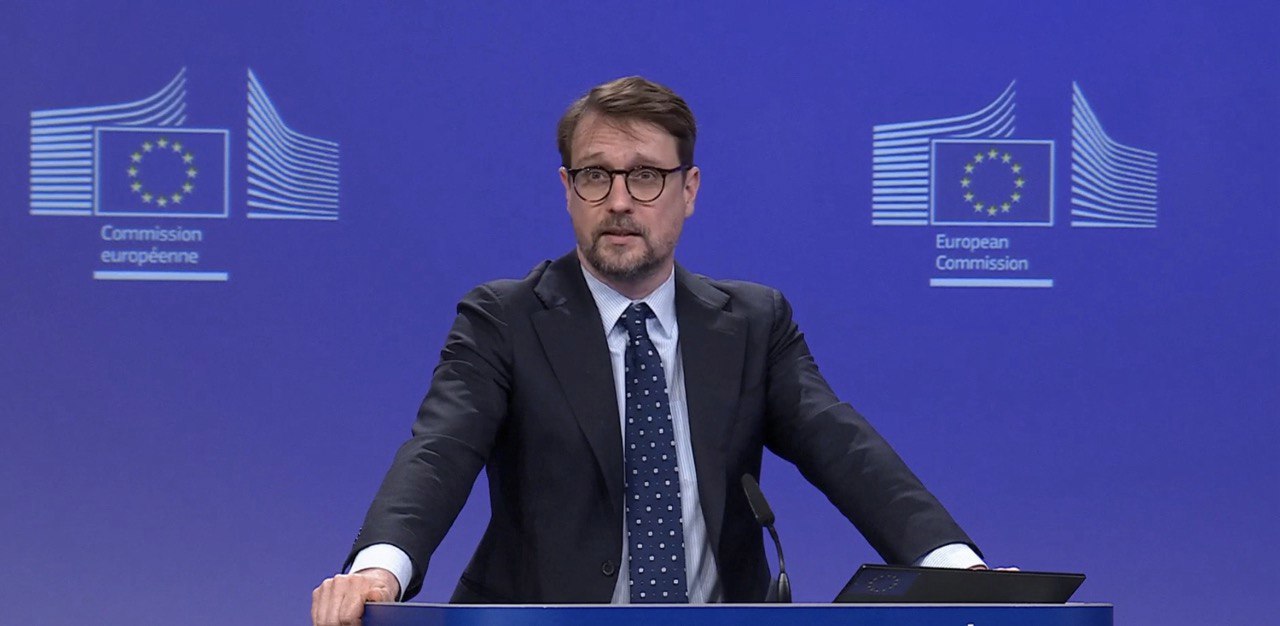
The Parliament of Chisinau should consult the Venice Commission on the amendment reducing the number of votes required to appoint international members to the External Evaluation Commission for Prosecutors. This statement comes from Markus Lammert, the European Commission spokesperson for democracy, justice, and the rule of law. He emphasized in a comment to Teleradio-Moldova that implementing transparent reforms in the justice sector is essential for Moldova's European integration.
Also, Markus Lammert emphasized that cross-party support is crucial to ensure the representativeness and sustainability of key justice reforms.
“Reforms related to the rule of law and justice are essential for the Republic of Moldova’s accession process to the European Union. Any such changes should be implemented transparently and inclusively, with adequate consultation of all relevant stakeholders,” Lammert stated. He was referring to a decision made by the Parliament of the Republic of Moldova to reduce the threshold for appointing international experts to the external evaluation commissions of judges and prosecutors, from a qualified majority of 61 votes to a simple majority of 51 votes.
The Parliament in Chisinau did not seek the Venice Commission's prior opinion before the final vote, which occurred with surprising speed and drew criticism from both the opposition and civil society.
For instance, organizations in the field have warned that lowering the voting threshold risks politicizing the selection of experts and diminishing public trust in the impartiality of the vetting process. Experts have underscored that abandoning broad parliamentary consensus, while technically facilitating appointments, undermines the legitimacy of justice reform.
Candidates selected by the EU Delegation in Chisinau
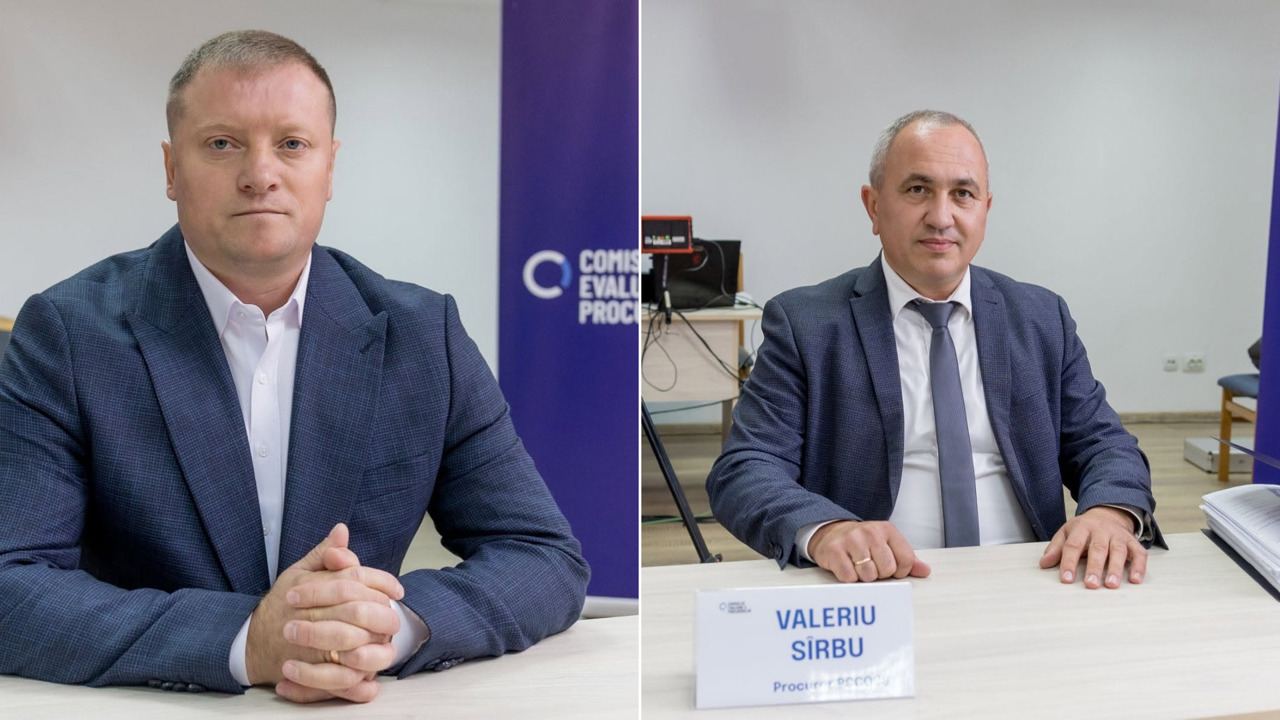
We remind you that after a failed attempt by Parliament to appoint international candidates Bernard Lavigne and Herman von Hebel as members of the Prosecutors Evaluation Commission on February 26, the parliamentary majority voted on March 5 to approve an amendment. This amendment established that if a candidate proposed by external partners does not initially receive the required 61 votes, they may be proposed again, and the decision can then be approved by a simple majority of 51 deputies. This amendment applies solely to international experts, while the appointment process for national members remains unchanged.
The amendment, passed in two readings on March 5, was promulgated on the same day by President Maia Sandu. The head of state explained in an interview with Jurnal TV that there are not enough votes within the current legislature to support justice reform beyond the parliamentary majority. Without amending the procedure, the appointment of members to the external evaluation commissions for judges and prosecutors would have remained blocked.
The EU Delegation in Chisinau initially selects the candidates, sending a shortlist of experts to Parliament for deputies to choose from. Herman von Hebel, who was previously a member of the Pre-Vetting Commission, has faced constant attacks since its establishment because this structure has achieved the “greatest cleanliness” in the judicial system, according to Maia Sandu.
The following day, on March 6, Parliament appointed international experts Bernard Lavigne and Herman von Hebel to the Commission for the External Evaluation of the Ethical and Financial Integrity of Prosecutors with 53 votes. The opposition has since notified the Constitutional Court about these changes.
Herman von Hebel: “There are people who have an interest in things remaining the same”
Dutch lawyer Herman von Hebel, following his appointment by Parliament as a member of the Commission for the Evaluation of Prosecutors, expressed his readiness to begin work and justify the trust placed in him. He is aware of the discussions and criticisms that have arisen in Parliament and civil society, but he believes that such reactions are normal in reform processes. He noted that major reforms in the judiciary inevitably generate debate and opposition, especially from those interested in maintaining the status quo.
“It is a normal process. Of course, there are people who have a direct interest in things remaining as they are. However, there are also people who genuinely want things to change, to improve the rule of law, and to enhance the quality of the judiciary and the prosecution service,” Hebel emphasized in an interview with Free Europe.
He believes that these discussions will not undermine the credibility of the vetting process. The Prosecutors’ Evaluation Commission was established in November 2023 and consists of nine members, five of whom are proposed by external development partners.