Ludmila’s case raised at UN; Doina Gherman calls for stronger prevention and protection
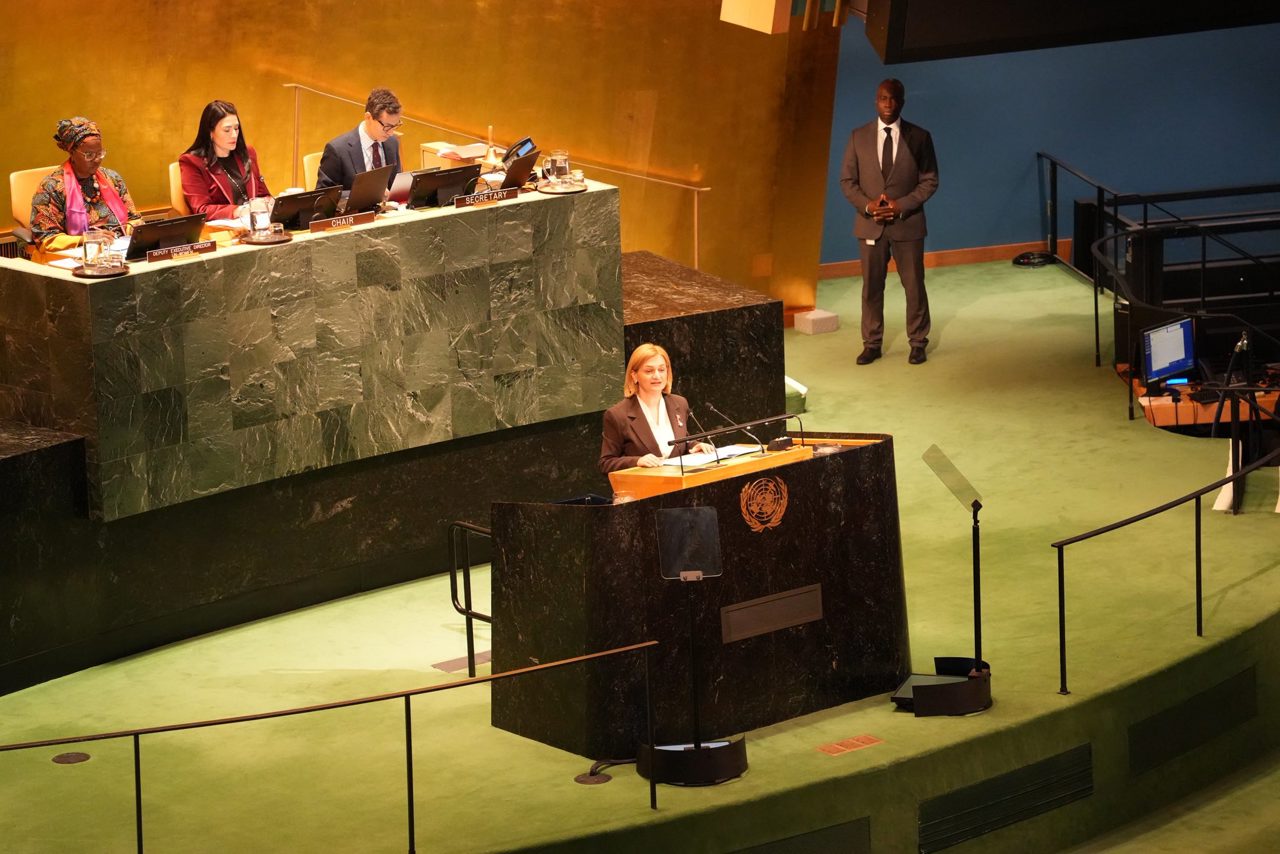
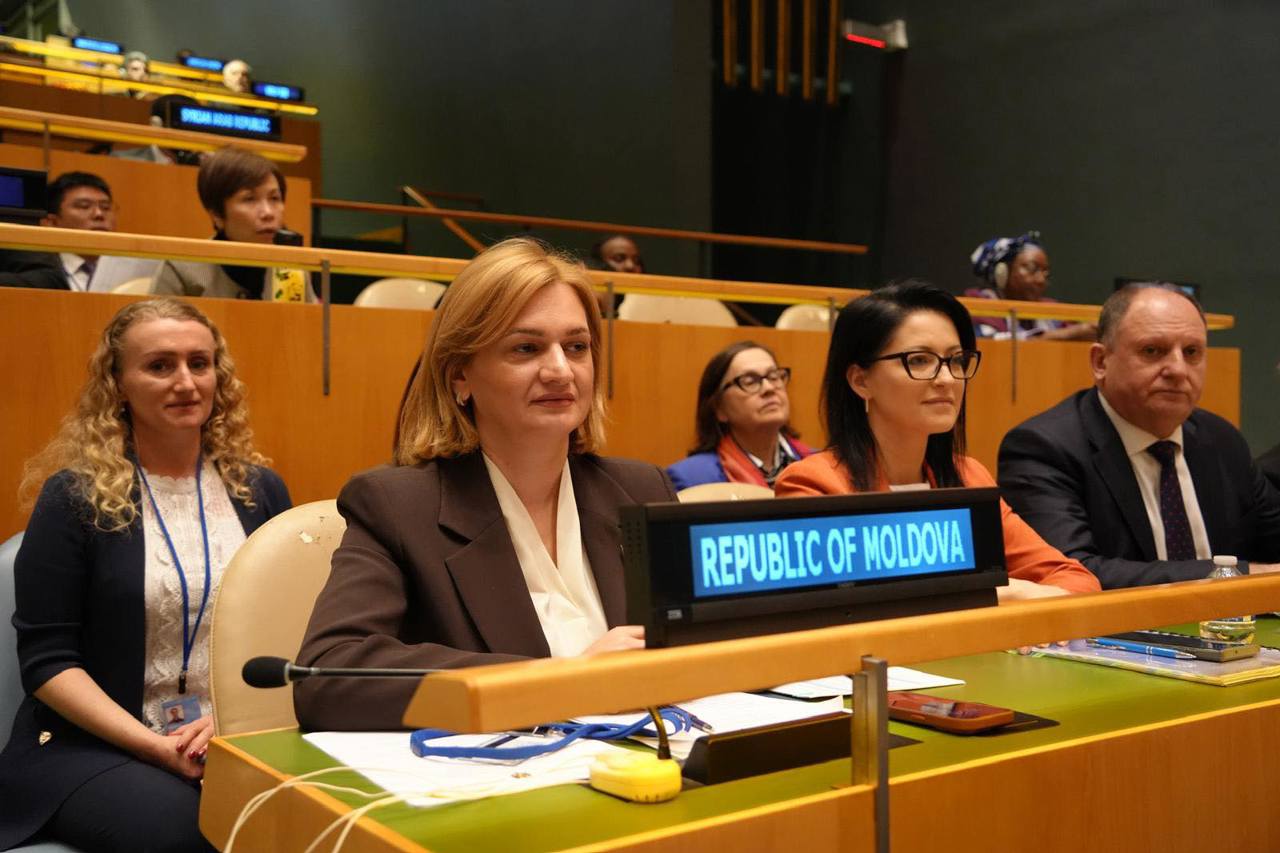
The Moldovan authorities have committed to strengthening the national system for preventing, protecting against, and holding accountable those involved in cases of violence against women. This commitment was announced by the Deputy Speaker of Parliament, Doina Gherman, during the 70th session of the United Nations Commission on the Status of Women, which focused on access to justice.
As a candidate country for the European Union, the Republic of Moldova embraces the European vision, recognizing that gender equality is not only a principle but also a legal and social obligation. As a future member, Moldova is committed to upholding these values on a global scale, particularly during its next mandate with the Commission on the Status of Women, as emphasized by Doina Gherman.
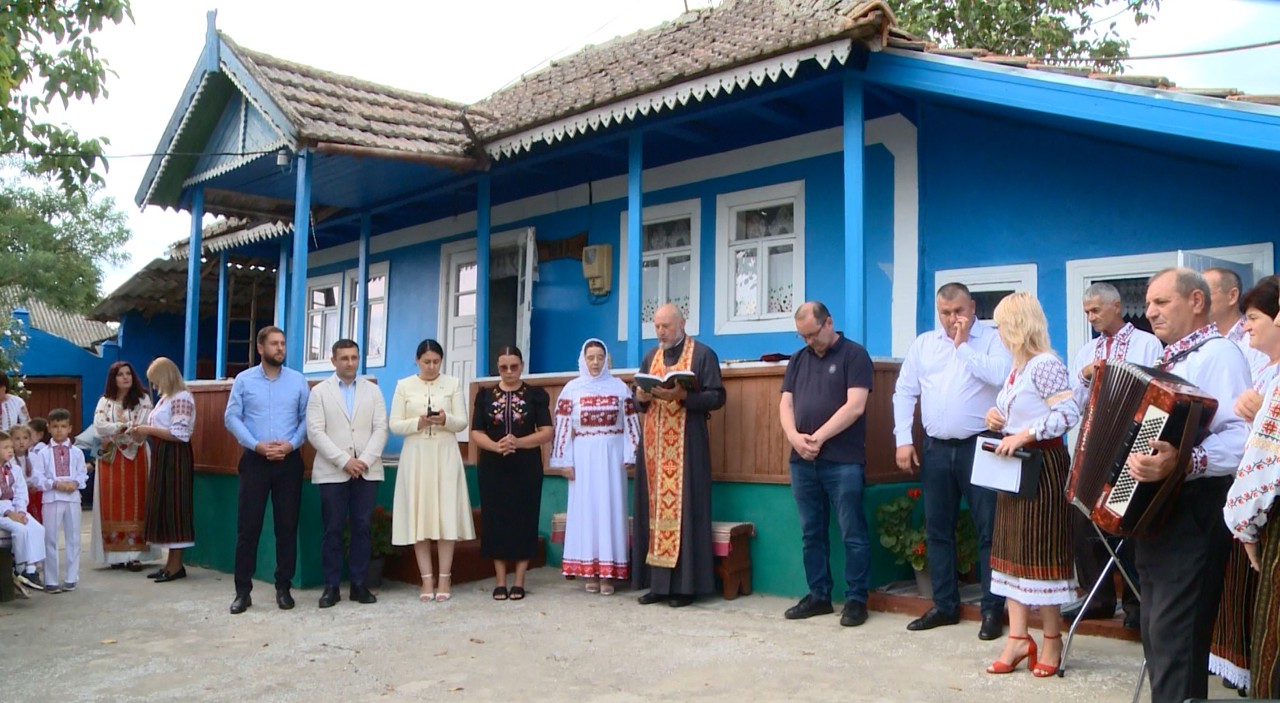
In her speech, Gherman highlighted the tragic case of Ludmila Vartic from Hâncești, a woman who allegedly took her own life after suffering from domestic violence.
“Combating violence against women and ensuring access to justice are essential for protecting the rights of women and girls. Today, I stand before you with a profound sense of responsibility and grief. A recent tragedy has shaken my country: a woman named Ludmila, who endured abuse and humiliation, chose to end her life. I am here to speak for Ludmila and for all women in the Republic of Moldova who continue to suffer from violence in silence. Her story must not simply be a tragedy for us to mourn; it should strengthen our determination to act more decisively and effectively. Let us work together to build a stronger national system for prevention, protection, and accountability,” said Doina Gherman during her speech at the UN on March 9.
Gherman also noted that “digital violence, online harassment, stalking, and the non-consensual sharing of intimate images have now been criminalized in the Republic of Moldova.”
Access to justice necessitates a collaborative effort among the police, prosecutors, courts, social services, the health system, local and central authorities, and civil society, Gherman emphasized.
“In recent years, the Republic of Moldova has taken significant and concrete steps in this direction. Moldova is one of the few countries that has introduced femicide into its Criminal Code, which addresses a specific form of gender-based violence. We have also established a National Agency for the Prevention and Combating of Violence against Women. Furthermore, we are investing in employment programs for women and childcare services,” said Doina Gherman.
Ludmila Vartic, a former teacher and mother of two young girls, tragically passed away in early March, with news of her death becoming public almost a week later. Those who knew Ludmila described her as a victim of domestic violence, which they believe contributed to her decision to take her own life. Her husband, Dumitru Vartic, who serves as the vice president of the Hâncești District Council representing the Action and Solidarity Party, announced his resignation on March 9 due to public pressure.
Authorities are working to uncover the circumstances surrounding Ludmila's death. Viorel Cernăuțeanu, the head of the General Inspectorate of Police, confirmed that investigations are ongoing, including hearings and a forensic examination. Additionally, two criminal cases have been initiated—one in Chișinău and the other in Hâncești. Dumitru Vartic was questioned on Sunday, March 8, according to Minister of Internal Affairs Daniella Misail-Nichitin.
Several non-governmental organizations and activists have classified Ludmila's case as femicide, asserting that she was a victim of abuse by her partner.
According to the National Coordinating Council for the Prevention and Combating of Violence against Women and Domestic Violence, over 20 cases of femicide were reported in 2025.