Energy crisis 2026: Brussels mandates teleworking as war costs EU €22 billion
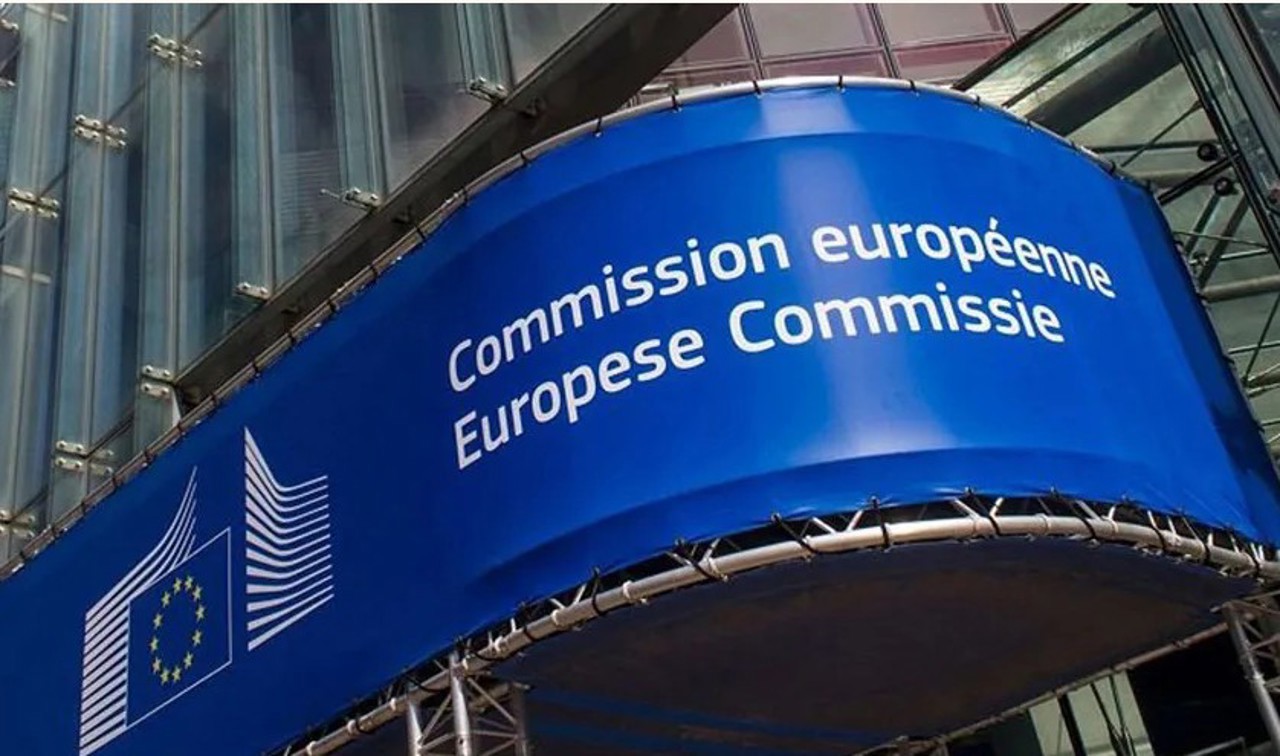
The European Commission is proposing a mandatory remote work day and significant public transport subsidies to mitigate the energy crisis triggered by the ongoing conflict in the Middle East.
According to a draft document obtained from El Pais, the geopolitical hostilities have already cost the European Union upwards of €22 billion in additional fossil fuel import costs. The crisis follows the closure of the Strait of Hormuz, a critical artery that previously handled 20% of global oil and liquefied natural gas (LNG) trade.
Emergency measures and public closures
Commission President Ursula von der Leyen is set to present the emergency package to the 27 member states next week. Key proposals include urging companies to implement at least one mandatory remote work day per week and closing public buildings where feasible to reduce consumption.
While the Commission notes there is no "immediate threat" to the security of supply, the situation remains "tense" for specific fuel types. Prices have skyrocketed following the blockade and the damage to the Ras Laffan terminal in Qatar, the world’s largest LNG facility.
Economic impact and state aid
The data reveals a staggering surge in energy costs between February 27 and March 20, 2026. Crude oil prices rose by 51%, while natural gas prices surged by 85% following the initial military actions.
To protect the economy, Brussels is authorizing a flexible framework for state aid. This includes allowing public support to cover up to 50% of the additional costs for fuel and fertilizers in the agricultural and distribution sectors through the end of the year.
Protecting vulnerable consumers
The draft recommends that member states issue energy vouchers and implement temporary regulated prices for low-income households. Furthermore, Brussels is calling for a temporary ban on electricity disconnections to ensure citizens are not left without power during the price spikes.
National authorities are also encouraged to remove barriers for companies that reward customers for shifting their electricity consumption to off-peak hours. This "load shifting" is seen as essential to stabilizing the European grid under current market volatility.
Translation by Iurie Tataru