Moldova will pay unemployment benefits to citizens seeking work in the EU
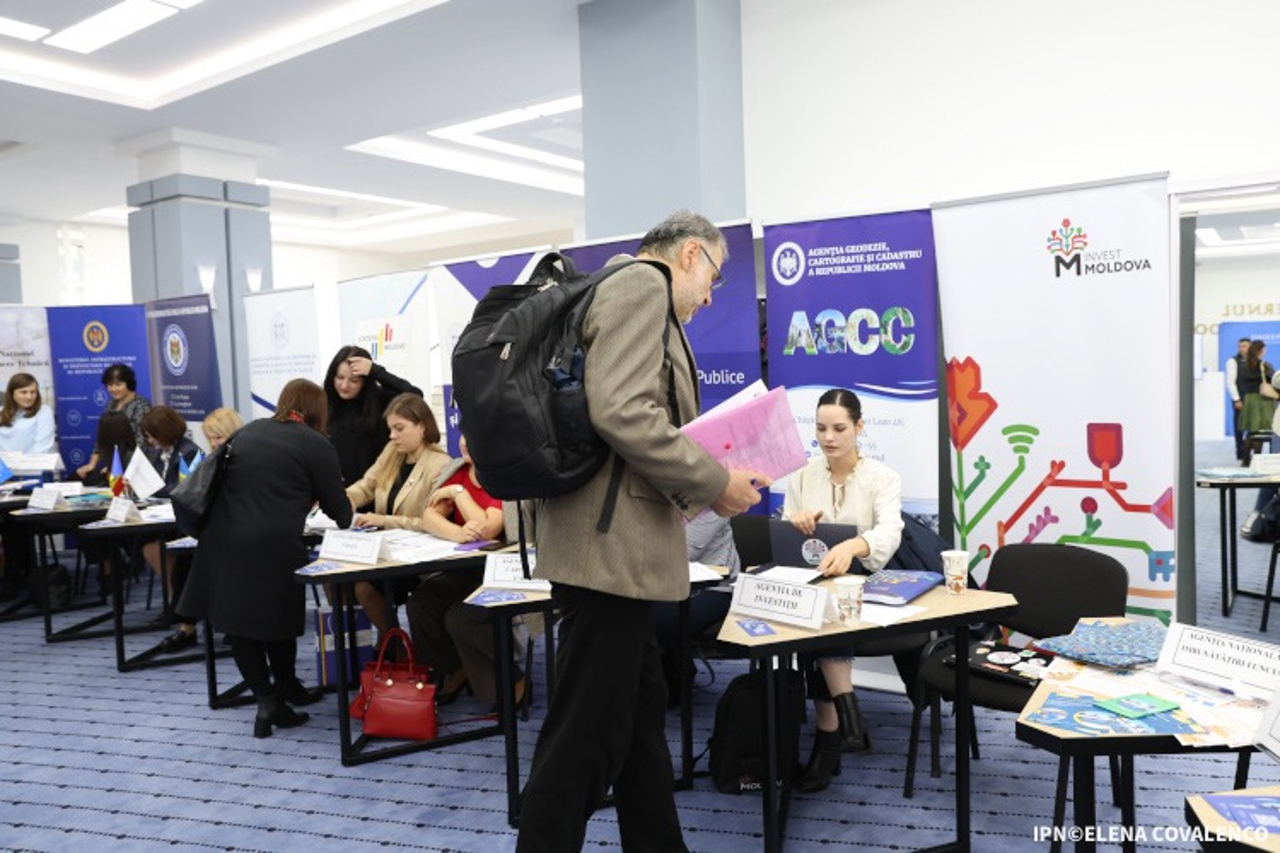
New regulations and direct financial support will be provided to citizens who are working or seeking employment in the country and across the European Union. On June 4, the Parliament approved the draft law in its first reading, which aims to promote employment and unemployment insurance for Moldovans living abroad.
Here are the key aspects you need to know:
Moldovan citizens who are unemployed in the Republic of Moldova and move to the EU, the European Economic Area (EEA), Switzerland, or the Schengen Area in search of work will continue to receive unemployment benefits for 3 months.
To qualify for this benefit, you must be registered with the National Employment Agency (ANOFM) at least one month before your departure and must also register with the employment agency in the country where you are going.
If you live in the Republic of Moldova but work in the EU and return home daily or weekly (without changing your residence), you are classified as a “frontier worker.” In the event of unemployment, your work experience in the EU will be recognized at home, allowing you to receive unemployment benefits.
The government will no longer finance traditional vocational courses (such as those at vocational schools). Instead, unemployed individuals will receive vouchers for short, practical (non-formal) courses that align with current labor market demands.
Young people can now register with the Employment Agency starting at age 15 (previously 16) to receive career guidance. Additionally, special programs for unemployed young people will be available until the age of 34 (previously 29).
If you are unemployed and plan to start an Individual Enterprise or a Peasant Household, you may be eligible for state subsidies, provided you create at least one job.
According to statistical data from ANOFM, an average of about 600 cross-border workers are registered annually, who could apply for unemployment benefits if the Republic of Moldova were to become a member of the European Union.