Moldovan fruit growers adopt new technologies and fewer chemicals for EU standards
The journey of Moldovan fruits to store shelves in the European Union increasingly involves orchards that utilize anti-insect nets, modern shading systems, and investments totaling millions of lei. To meet European standards, Moldovan fruit growers are adopting new technologies and minimizing chemical usage in their production processes. These efforts are paying off, as the European market offers more favorable prices and greater export opportunities.
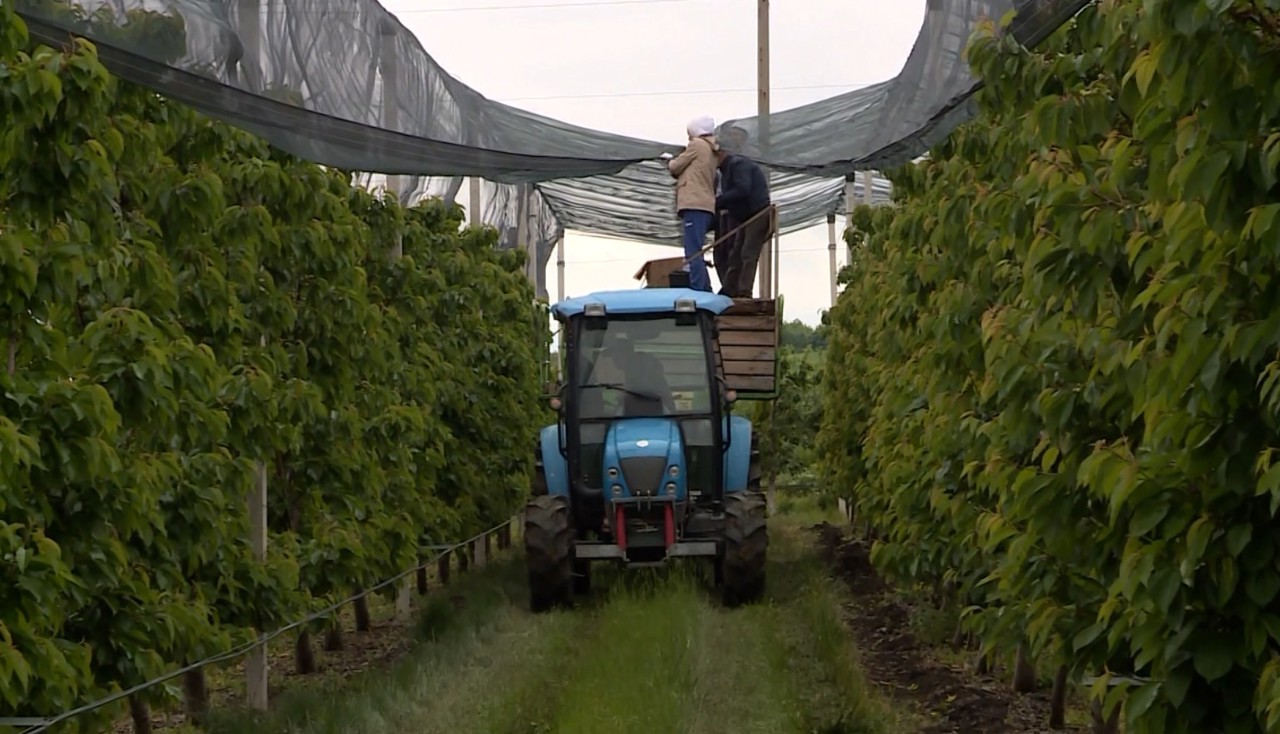
Nicolae Pascal, a fruit grower from Negureni village in the Telenești district, cultivates cherries in a 12-hectare orchard and exports his fruit to the European Union market. To meet European regulations, he has reduced his use of insecticides and adopted alternative methods for crop protection.
"The reality is that insecticides are harmful to both the environment and public health, and their use will gradually be phased out. Right now, if you want to sell products, especially stone fruits, on the European market, there is considerable scrutiny regarding insecticide use. Eventually, their application will be discontinued," said Nicolae Pascal.
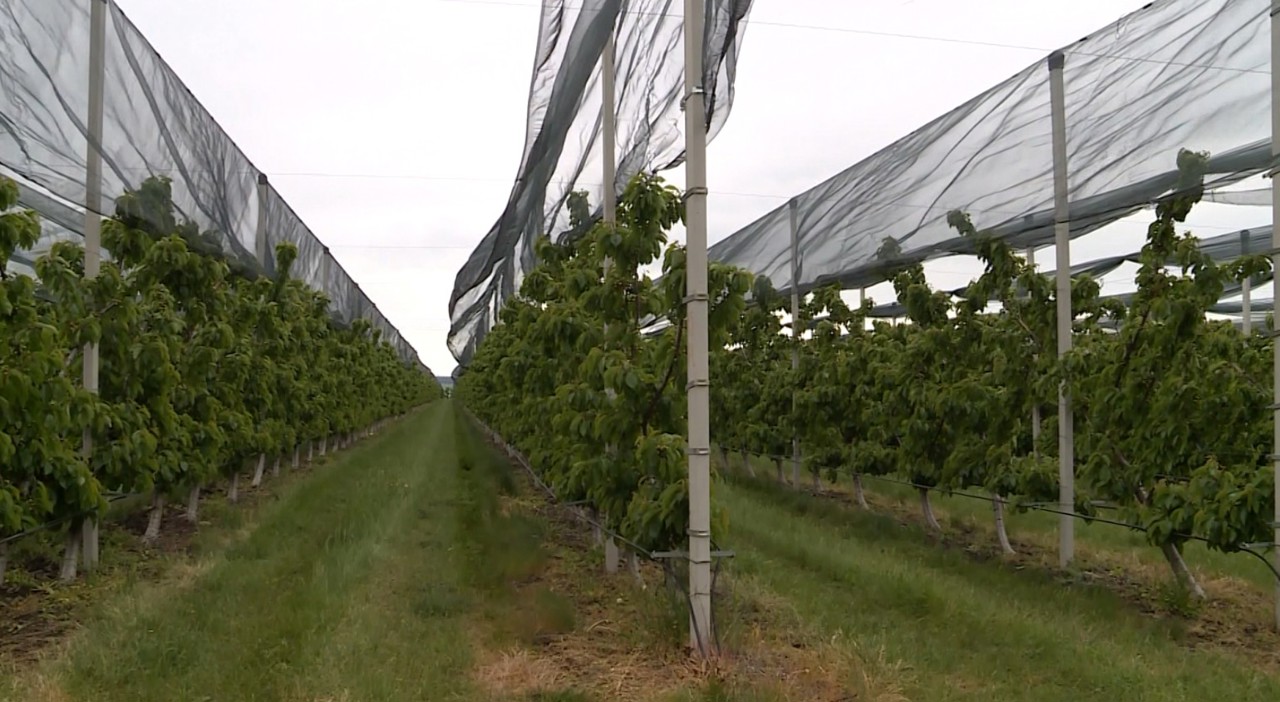
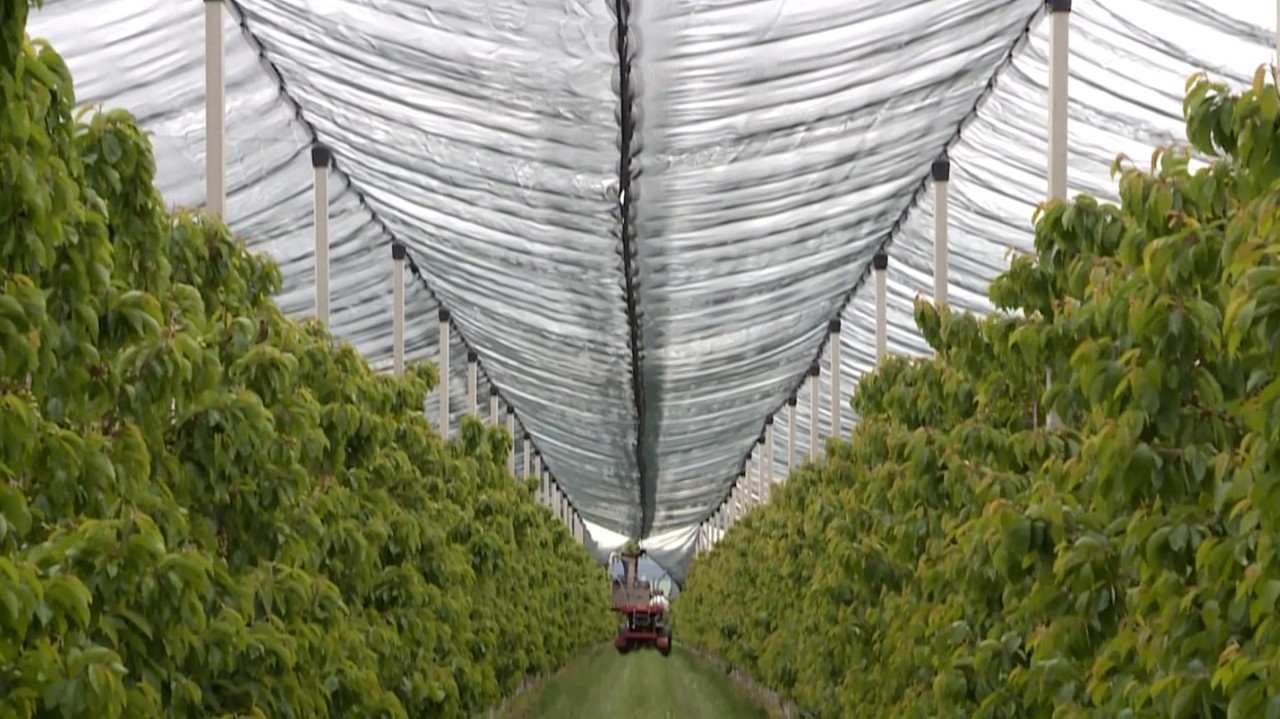
The farmer installed insect screens and modern shading systems to protect the orchard from pests and high temperatures. Such solutions are commonly used in modern orchards throughout the European Union.
“Currently, orchards in northern Italy, Austria, and southern Germany are being covered with four-meter-high side netting that has a one-millimetre mesh to prevent pest entry. We also have plans to implement this. By installing this netting, we create an insect barrier, particularly against specific pests as well as others that have a wingspan of one to two millimeters,” he explained.
The implementation of these technologies requires a substantial investment. For intensive orchards, the cost of protective infrastructure amounts to tens of thousands of euros per hectare.
“After installing the frame for the netting, the investment reaches almost four million lei for 12 hectares. For a hectare of fully protected cherries, the costs exceed 70 thousand euros,” added Nicolae Pascal.
However, export-oriented producers view such investments as essential for remaining competitive and meeting the quality standards required by foreign markets.
According to official data, in 2025, the Republic of Moldova exported over 36 thousand tons of apples, 34 thousand tons of table grapes, 46 thousand tons of plums, and more than 3 thousand tons of cherries to the European Union market.