OFFICIAL | The government approves the declaration of a state of emergency
The Government will propose to Parliament a declaration of a state of emergency in the energy and hydrological sectors, following the National Security Council's decision. The measure will take effect on September 26 for 60 days.
Tofan: Government to review compensation mechanism
Prime Minister Vasile Tofan said during a meeting on the morning of Tuesday, September 22, that the complex global situation requires specific measures to ensure the country has the required volumes of energy resources.
Amid rising prices, the Prime Minister said the Government must review the compensation mechanism and find ways to extend benefits to more households—despite having previously said the state could no longer afford to spend between 2.5 and 3 billion lei on compensation.
"At the same time, I must admit that this winter we will have to revisit our initial decision and actually increase compensation levels beyond the original plans. We did not anticipate such high gas prices; that is why I asked Ms. Plugaru Minister of Labor and Social Protection and the Minister of Finance, Ms. Belous, to review these compensation measures and ensure they cover a greater number of households," the Prime Minister said.
Last year, compensation covered 620,000 households. This year, the Government aims to support more families.
"I would have liked to scale back this year, as we simply do not have the funds, but I believe we must find the money—wherever possible, or even where it seems impossible—to cover a wider range of households," Vasile Tofan added.
We need 400–450 MW of imports during peak hours
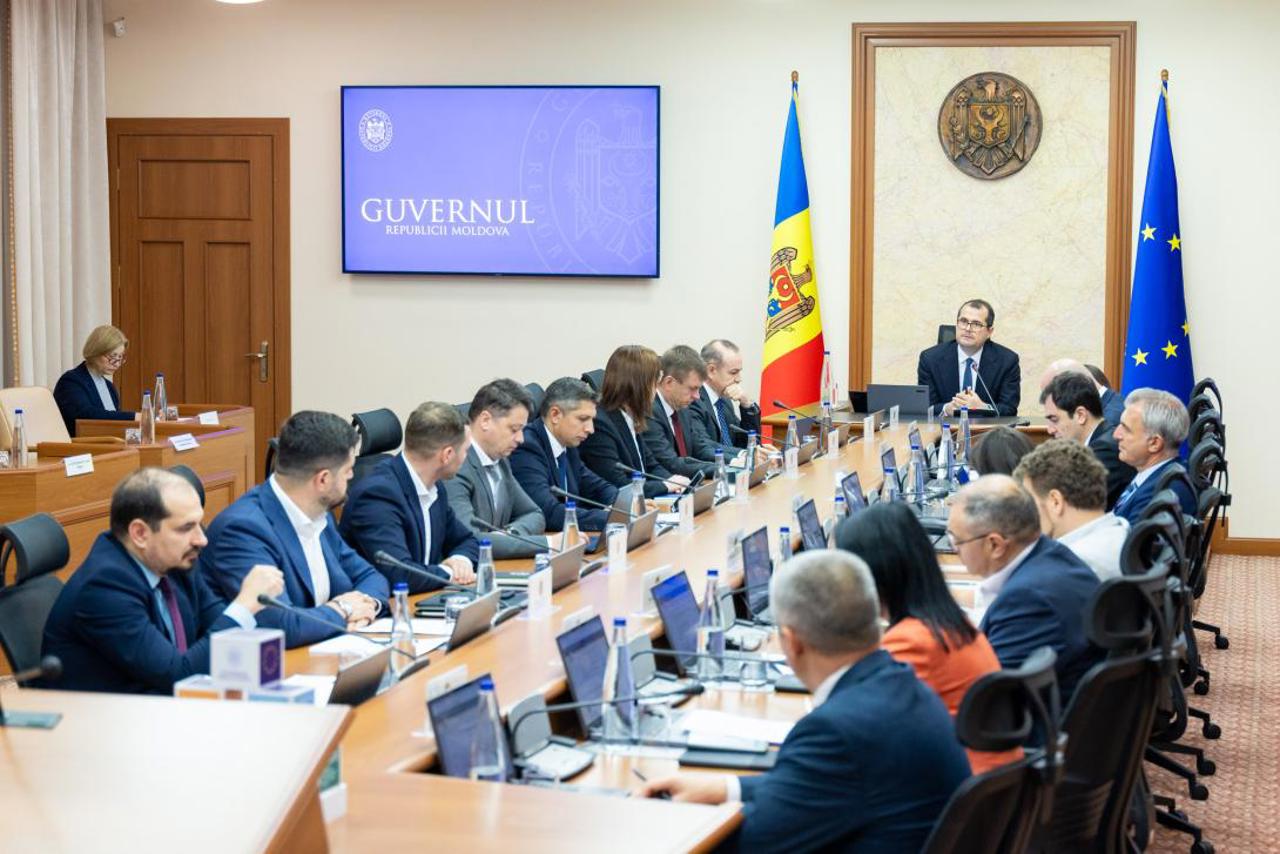
Serghei Diaconu, Director of the National Crisis Management Center, who presented the proposal to declare a state of emergency during the Government meeting, stated that the previously declared state of alert in the energy and water sectors expires on September 25; however, the risks that prompted its approval have not disappeared. On the contrary, they have intensified due to regional developments, pressures on energy markets, and the worsening water deficit.
"The energy situation is vulnerable. This winter, we will need to import about 59% of the required electricity. During peak hours, we need 400–450 MW from imports. This demand can be met, but only about 360 MW represents guaranteed capacity. The remainder is covered by additional capacity available in the region—which, however, cannot be relied upon consistently—meaning we will need rapid interventions," Diaconu noted.
Regarding natural gas, over 90% of the volume needed for the cold season has already been contracted. Nevertheless, financial risks persist. International market prices have risen, and purchasing gas while replenishing mandatory reserves requires significant financial resources within a very short timeframe. Fuel Stock Situation
Although the fuel market has stabilized, the current global context—characterized by closed straits, reduced diesel processing capacity, and shortages reported in several countries—necessitates mechanisms allowing the state to intervene quickly. Such interventions are needed to stabilize prices and, most importantly, to secure ongoing stocks and supplies.
"At the beginning of August, we had stocks sufficient for only 3.5 days, and 109 stations were out of fuel at the pump. In recent days, stocks have risen to approximately 10 days, and the number of stations reporting shortages has dropped to fewer than seven," stated the Director of the National Crisis Management Center.
Serghei Diaconu also highlighted the severe water deficit affecting the Nistru and Prut rivers. Low water levels could impact intake capacity and, consequently, the supply of drinking water to the population.
"It is important to understand why we are addressing these two sectors together: energy and water are directly linked. Facilities that extract, pump, and treat water require electricity to operate. At the same time, drought reduces hydroelectric power generation. Thus, a problem in one sector can immediately exacerbate issues in the other," Diaconu explained.
According to him, the state of emergency will allow for the implementation of temporary measures—as the situation demands—to maintain energy and fuel stocks and imports, protect household consumers and critical infrastructure, and ensure the continuity of water and energy supplies. "The objective is very simple: to prevent shortages and disruptions and to ensure that people have energy, heating, water, and fuel, and that essential services continue to operate," concluded the director of the National Crisis Management Center.
Energy Minister: Risk of price increases
Energy Minister Dorin Junghietu stated that estimates indicate a serious risk of price increases for consumers in the near future. This rise could be significant and place a burden on family budgets.
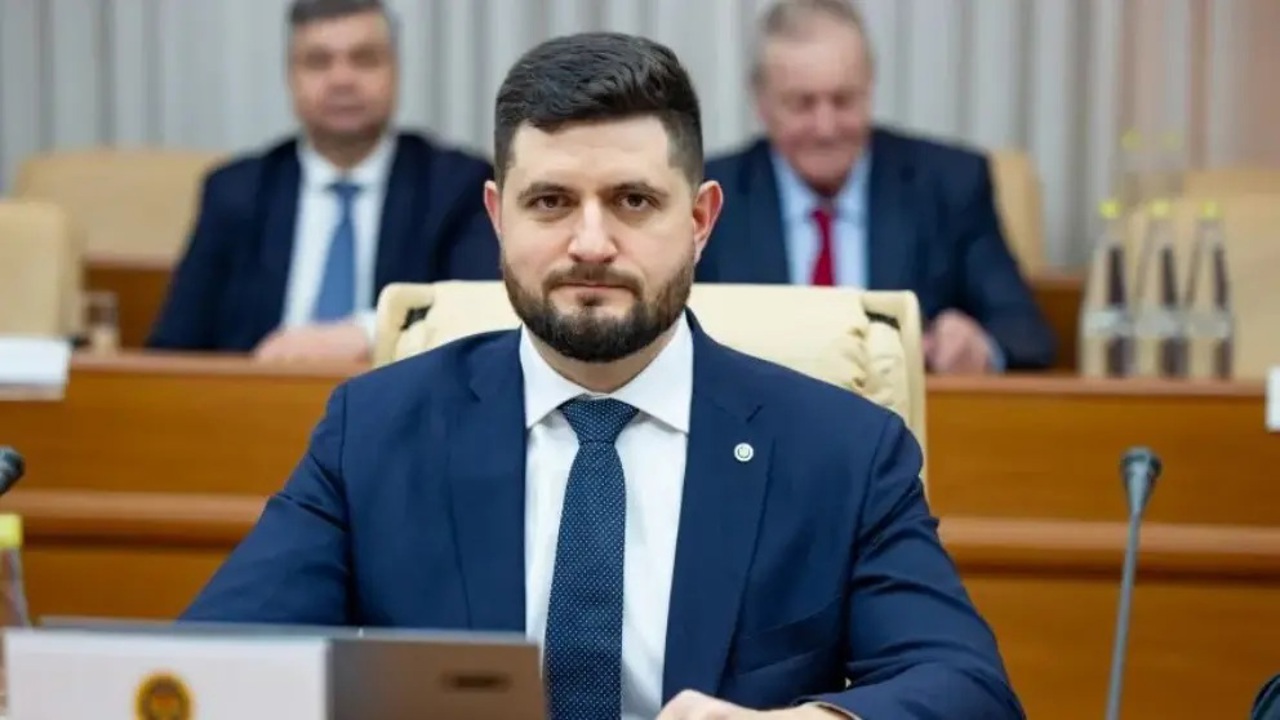
"I want to be very clear: today we cannot announce a new tariff or the date it would take effect. ANRE must examine any potential request for an adjustment based on justified costs. However, it would be wrong to wait for the tariff decision before preparing the state's response," stated Junghietu.
The official said that the Ministry of Energy supports the request to declare a state of emergency, enabling authorities to react quickly to identified risks regarding supply and the functioning of the energy system.
"Citizens deserve to know in advance what risks exist, what we know for certain, and what is currently being assessed. We will continue to communicate transparently about cost trends and work with the responsible institutions on measures to protect vulnerable consumers," the minister added.
Following the National Security Council meeting on September 21, President Maia Sandu stated that the global situation is becoming increasingly complex; prices are rising worldwide, and the issue of energy supply capacity is becoming ever more pressing.
The benchmark natural gas price on the European exchange has exceeded 83 euros/MWh—more than two and a half times higher than last year. Meanwhile, gasoline and diesel prices have reached record highs within the European Union.
The Head of State said the Government is preparing plans for various scenarios to ensure institutions can secure import capacity and alternative electricity supply routes for the cold season. "I won't tell you it will be easy, but I am convinced that we will get through this winter too and continue to stand by families, especially the most vulnerable ones," the President said.
Maia Sandu assured that the population would receive support and that the allocated compensation would account for tariff fluctuations and each household's vulnerability level.
The Republic of Moldova previously declared a state of emergency on March 25 this year—initially for 60 days—after attacks on Ukraine's energy infrastructure damaged the Vulcănești–Isaccea power line. The state of emergency ended on April 25 and was replaced by a state of alert in the energy sector.
Parliament is scheduled to convene for an extraordinary session on the afternoon of Tuesday, September 22, to vote on declaring a state of emergency.