Moldova opens two more EU accession clusters in Luxembourg talks
Moldova opened two major negotiating clusters with the European Union in Luxembourg on Oct. 13, bringing its tally to 24 of 33 accession chapters launched in just four months.
The Fourth EU-Moldova Intergovernmental Conference unlocked Cluster 2 on the internal market and Cluster 3 on competitiveness and inclusive growth. Together, the two packages cover 17 chapters—more than half of the entire EU regulatory rulebook.
Chișinău has now opened four of the six thematic negotiating clusters, following the launch of the fundamentals cluster in June and external relations in July. Only Cluster 4, covering the green agenda and sustainable connectivity, and Cluster 5, covering natural resources, agriculture, and cohesion, remain to be opened.
Strategic sequencing and single market tests
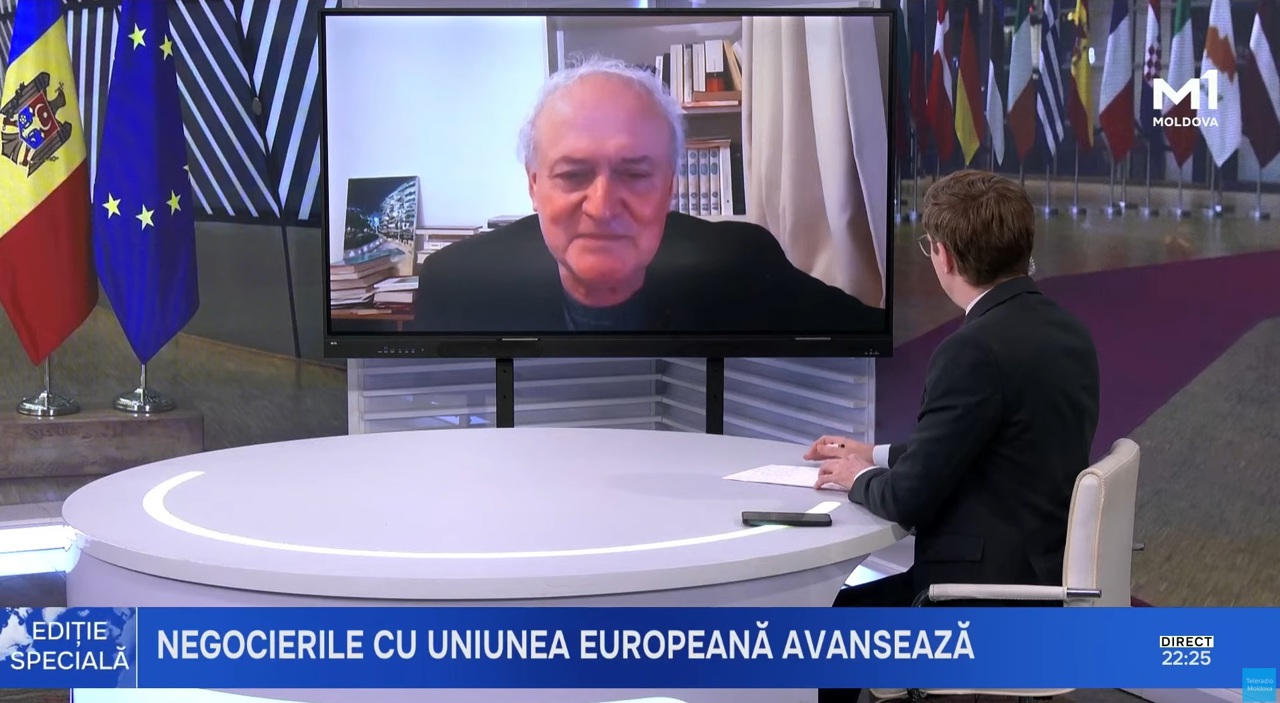
According to Brussels-based journalist Dan Alexe, a correspondent for public broadcaster Teleradio-Moldova (TRM), the European Commission grouped the 33 chapters into thematic clusters to build political momentum. By starting with areas where political consensus already existed, Brussels gave Chișinău breathing room to prepare for complex institutional reforms.
"The reason this sequence was chosen—starting with fundamental values and then external relations—is that everyone already agrees there," said Alexe during a Moldova 1 special broadcast. "Facing security threats just across its border, Moldova aligns fully with EU foreign policy, whereas the internal market now requires proving compliance with highly precise technical rules."
Opening the nine internal market chapters and eight competitiveness chapters shifts the burden from diplomatic alignment to practical enforcement. Moldova must now demonstrate that its national regulators can police the market and protect consumers, particularly in cross-border e-commerce.
"Moldova must prove to Brussels that a citizen who buys a faulty product has an effective authority to turn to for protection, just as at the European level," noted Alexe. He pointed to the surge of ultra-low-cost, substandard goods from Chinese online platforms as a prime example requiring strict regulatory alignment with EU consumer standards.
The Ukraine factor in agriculture and favorable EU presidencies
The most politically sensitive chapters, particularly agriculture under Cluster 5, have been deliberately left for the final stage of accession talks. Alexe explained that the delay stems not from Moldova's modest farming sector, which poses little disruption to EU markets, but from the need to synchronize enlargement rules with neighboring Ukraine.
"Agriculture was left for the end not because of Moldova's relatively small farming sector, which does not disrupt anything in Europe, but because of Ukraine," said Alexe, adding that the sequencing gives Kyiv more time to adapt to EU standards.
Beyond domestic reforms, Moldova benefits from a supportive political calendar within the Council of the European Union. The rotating six-month EU presidency sets the pace of enlargement agendas, and the lineup of upcoming host nations strongly favors candidate countries.
"By a fortunate coincidence, Ireland strongly backs candidate countries during its current presidency through Dec. 31, and it will be followed next year by Lithuania in the first half and Greece in the second," said Alexe. Both incoming presidencies are expected to keep Moldova's accession bid high on the bloc's agenda.
Enlargement roadmap due Oct. 28
On Oct. 28, Moldova is scheduled to receive its detailed EU accession roadmap alongside fellow candidate countries Ukraine, Montenegro, and Albania. Speaking in Strasbourg on Oct. 6, European Commissioner for Enlargement Marta Kos noted that Moldova ranks among the leading accession frontrunners and that the upcoming blueprint will set clear benchmarks and indicative timelines.
Despite the rapid diplomatic pace, Alexe cautioned that Brussels' optimism ultimately hinges on Chișinău's ability to deliver tangible results in judicial reform and high-level anti corruption prosecutions.
Translation by Iurie Tataru
RELATED COVERAGE