Moldova gives 150 fuel stations 20 days to replace uncertified pumps
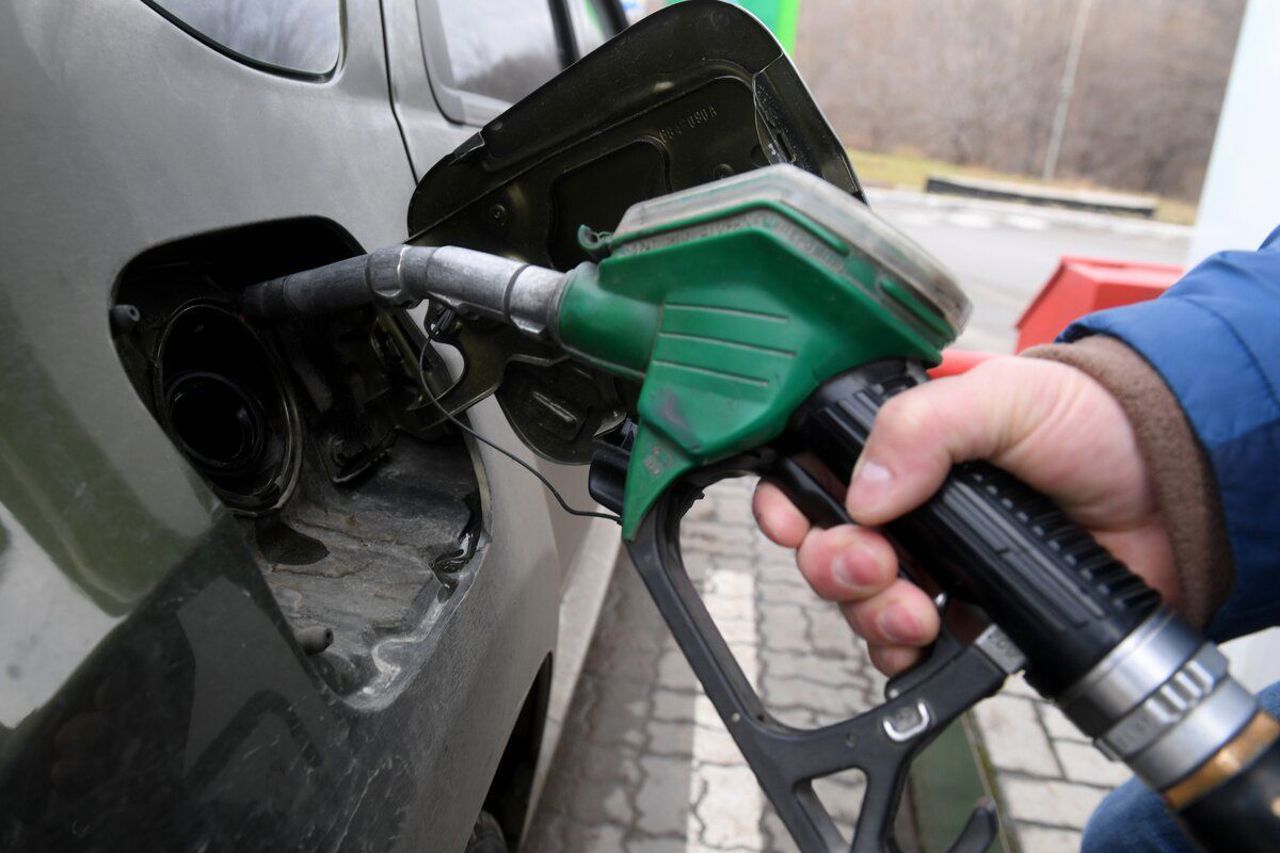
Moldovan regulators ordered over 150 fuel stations across the country to replace non-compliant fuel metering systems within 20 days or face operational suspension, following a year-long investigation into revoked equipment certifications.
Court ruling invalidates pump certifications
The State Inspectorate for Non-Food Product Surveillance and Consumer Protection (ISSPNPC) reported that the affected stations use a specific model of metering system for gasoline, diesel, and liquefied petroleum gas (LPG) that no longer holds valid legal certification.
The Central Court of Appeal recently upheld a court ruling revoking the equipment's type-approval certificate at the request of the Inspectorate and the National Institute of Metrology. Under Moldovan metrology law, retailers cannot sell fuel directly to the public using dispensing systems that lack active model approval.
Technical compliance versus actual fuel volume
Type approval certifies that a specific metering model meets statutory technical and metrological design standards, whereas periodic calibration verifies whether an individual pump measures accurately. Once a model's type approval is revoked, all previously issued calibration certificates for those units automatically lose their legal validity.
The consumer protection watchdog noted that an uncertified system can no longer legally guarantee the accuracy of dispensed fuel volumes. However, regulators emphasized they found no evidence that every motorist who refueled at the affected stations received less gasoline or diesel than paid for, framing the violation as a lapse in statutory certification rather than proven systematic short-changing.
Crisis commission prevents supply bottlenecks
Although operating the uncertified systems is prohibited, authorities opted against shutting down all 150-plus stations simultaneously to avoid a nationwide fuel shortage. On November 5, the National Crisis Management Commission granted fuel operators a 20-day transition window to replace the non-compliant hardware.
The Commission noted that closing such a large number of filling stations at once would disrupt fuel supplies for households, businesses, ambulances, police, and other critical public services. Stations that fail to upgrade their metering equipment within the 20-day deadline face immediate suspension until they achieve full compliance.
Fuel companies must also publish official lists on their websites identifying all stations currently operating with revoked metering systems. Officials underscored that the temporary grace period does not overturn the court rulings or shield operators from legal liability for past compliance breaches.
Unannounced inspections and capped pump prices
The Inspectorate continues to conduct unannounced inspections at fuel stations nationwide, sealing and disabling non-compliant dispensers until certified and calibrated replacements are installed. Until the upgrades are completed, regulators urged drivers to use stations that clearly display fuel prices and availability, and to avoid pumps marked as sealed, blocked, or out of service.
The National Crisis Management Commission added that the mandatory equipment upgrades will not drive up consumer prices at the pump. Retail fuel prices remain capped under Moldova's national price-ceiling mechanism, requiring oil companies to absorb the compliance costs while ensuring motorists receive exact fuel quantities.
Translation by Iurie Tataru
RELATED COVERAGE
- Moldova diesel hits record 35 MDL as fuel crisis hits households
- Moldova fuel prices hit new high as diesel surges
- Gas stocks, fuels, compensations, and winter action plan
- Moldova launches e-democracy tool as consumer claims jump 78%
- Moldova to establish first strategic fuel reserves to bolster energy security by 2026