Moldovan Ministry of Internal Affairs honors veterans of the 1992 War of Independence
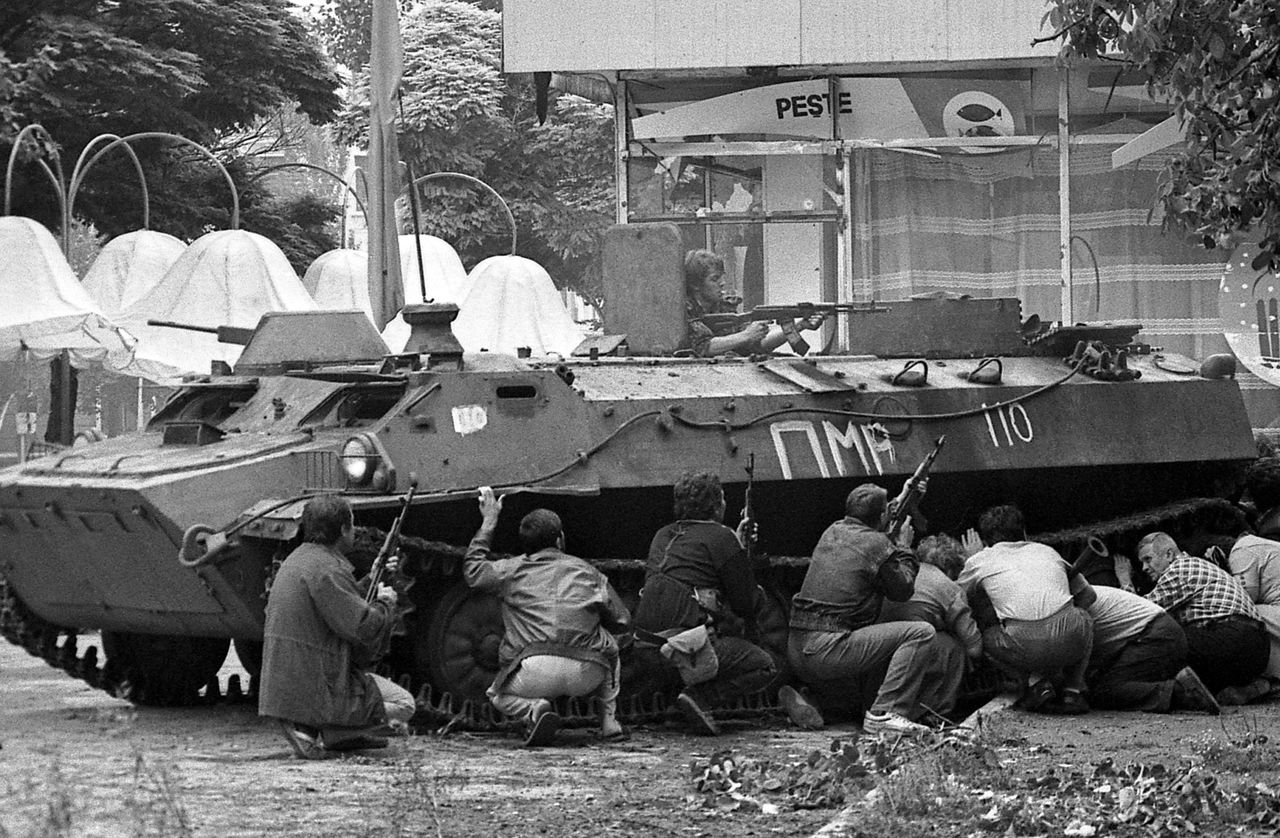
The Ministry of Internal Affairs (MAI) has launched "The Living History of MAI," a strategic campaign dedicated to the veterans who defended Moldova’s sovereignty during the 1992 Nistru conflict.
The initiative features raw testimonies from former police officers and commanders. These accounts move beyond textbooks to provide a grit-level view of the war that defined the nation’s borders.
The front line of sovereignty
For Ghenadie Cosovan, a retired Police Colonel and Knight of the "Ștefan cel Mare" Order, independence is a tangible sacrifice. He recalls 18-year-old conscripts defending their land under heavy fire.
"I saw true heroes on the battlefield," Cosovan stated. To him, the conflict was the moment the Republic of Moldova transitioned from a concept to a defended reality.
Siege and survival at Tighina
Nicolae Arnauțanu was a 21-year-old non-commissioned officer when he was deployed to Tighina. He describes the harrowing intensity of mortar fire while defending a besieged police station.
Despite a critical lack of heavy weaponry, Arnauțanu emphasizes that professional duty and national pride sustained the troops. "I felt proud to be chosen to defend my country," he recalls.
The cost of captivity
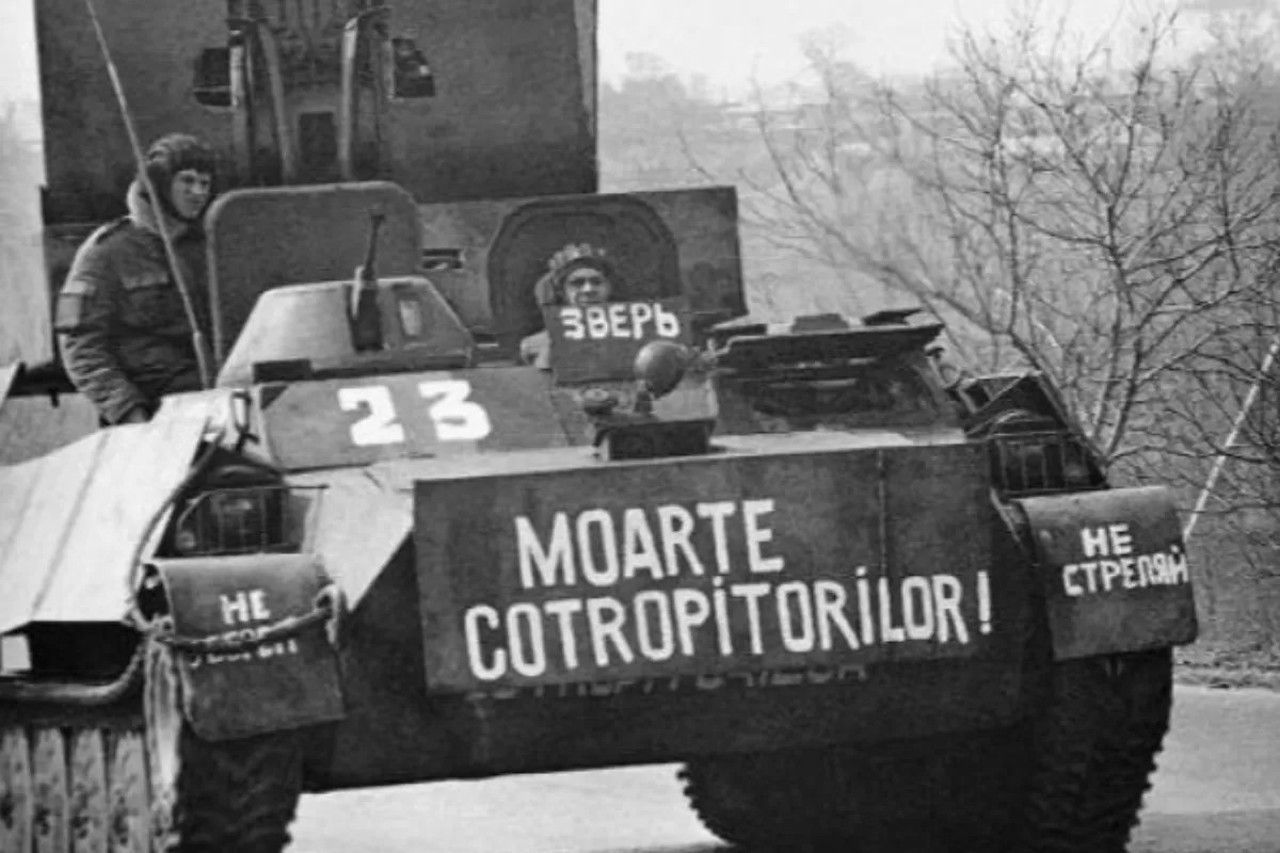
The campaign also highlights the personal toll of the war. Valentin Botezatu, then a senior inspector in Grigoriopol, was captured at his own home in March 1992.
Botezatu endured severe humiliation and uncertainty during his days as a hostage. "I thought my life would end at 36," he remarked, describing the psychological weight of the conflict.
A legacy of command
Commander Valeriu Daraban reflects on the burden of leadership. He describes the agony of watching subordinates fall in battle while maintaining the discipline of his battalion.
"No one retreated," Daraban noted. For these veterans, the 1992 conflict was not a choice, but a moral obligation to ensure the survival of the state.
The "Living History" campaign serves as a reminder that Moldova’s modern independence is built upon the individual choices of those who stood firm during the collapse of the Soviet era.
Translation by Iurie Tataru