Tough diagnoses and tests sent abroad: the struggles of rare disease patients
In the Republic of Moldova, approximately 2,500 patients are diagnosed with rare diseases, and more than half of these patients are children. Only 10% of those diagnosed receive the necessary treatment.
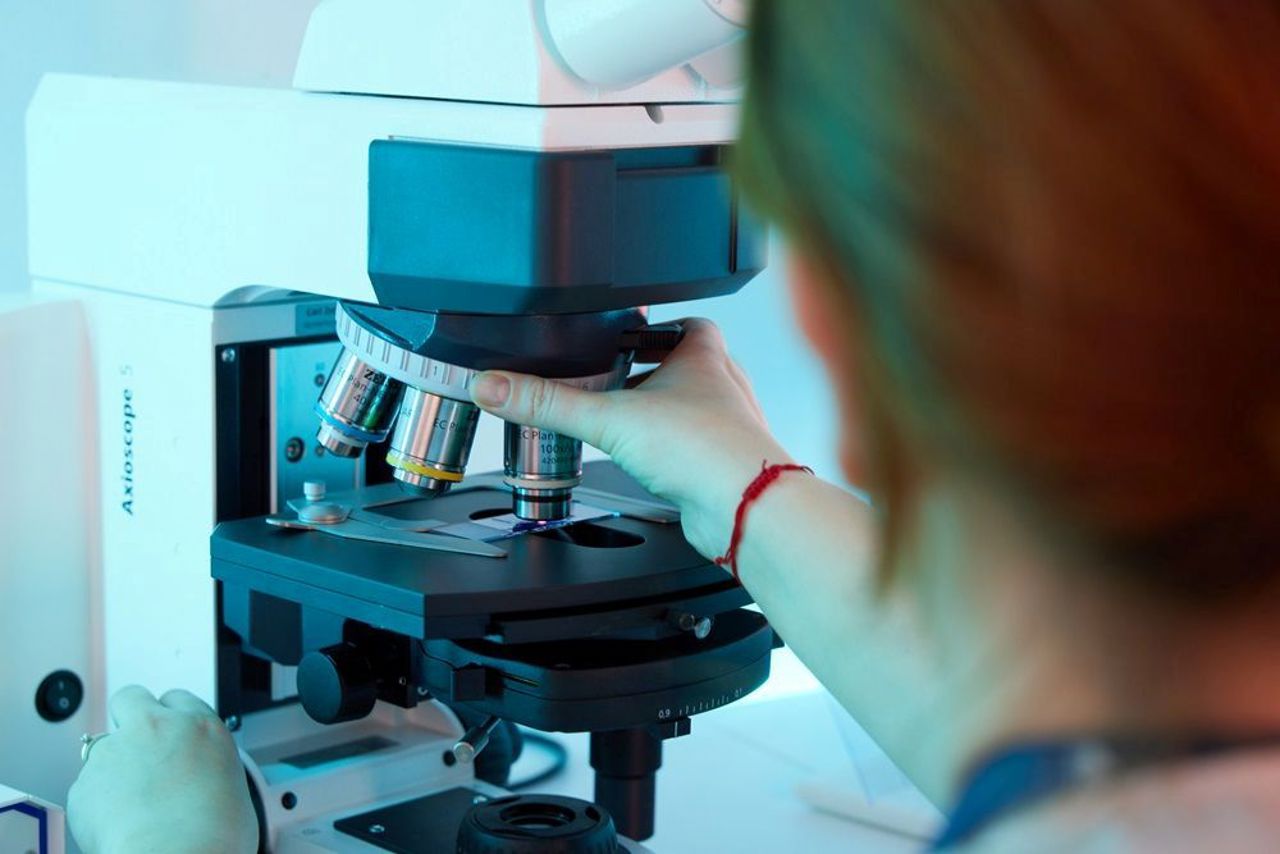
In many cases, the problem starts at the diagnosis stage. The country's medical system lacks the capacity to identify these conditions, leading to samples being sent to laboratories abroad for confirmation.
The absence of specialized infrastructure hampers early detection and delays access to treatment.
Phenylketonuria: A disease that requires constant monitoring
Phenylketonuria is a rare metabolic disorder in which the body cannot break down phenylalanine, a substance found in foods such as milk, meat, and eggs. The accumulation of phenylalanine can seriously affect brain function.
For over 14 years, Pelaghia Batog, 33, originally from Rezina, has been living with this diagnosis. Each month, she spends approximately 4,000 lei on treatments.
"I understand my responsibility; I know this is a lifelong condition and it cannot be cured. How I manage my disease determines how well I can maintain my health,” Pelaghia explains.
"I receive treatment that includes vitamins and support for my nervous system because the disorder impacts both the nervous system and the brain,” she adds.
Before receiving her diagnosis, Pelaghia experienced three miscarriages. It was only after confirming her condition and starting the appropriate treatment that she was able to give birth to a healthy child.
Living with restrictions and limited support
The disease partially affects Pelaghia’s ability to work. Over the years, she has worked as a factory operator and later as a housekeeper. Currently, she receives a disability pension of 1,500 lei.
"Even though I have this problem, I pray to God to keep me alive until old age. One day, you might wake up and find that your brain is no longer functioning; you may not know who your child is, what country you are in, or how old you are," she confesses.
Limited diagnostic capabilities
In the Republic of Moldova, only a limited number of rare diseases can be detected. Specialists at the National Center for Reproductive Health and Medical Genetics are working with partners in Romania to confirm certain diagnoses.
Geneticist Natalia Ușurelu states, “Diagnostic capabilities in the country are limited.”
She further explains that “only up to 10% of patients with rare diseases currently have access to treatment.”
“The symptoms may not be obvious; they can appear suddenly, worsen over time, or be masked by other conditions,” the specialist adds.
Funding and national program for rare diseases until 2028
Last year, over 22 million lei were allocated for the inpatient treatment of patients with 12 rare diseases, and nearly 13 million lei were designated for reimbursed medications.
By 2028, the authorities plan to implement the National Program on Rare Diseases, which aims to broaden the scope of diagnosis and monitoring for approximately 30 rare diseases.