Ministry of Environment plans to ban plastic wreaths and single-use bags
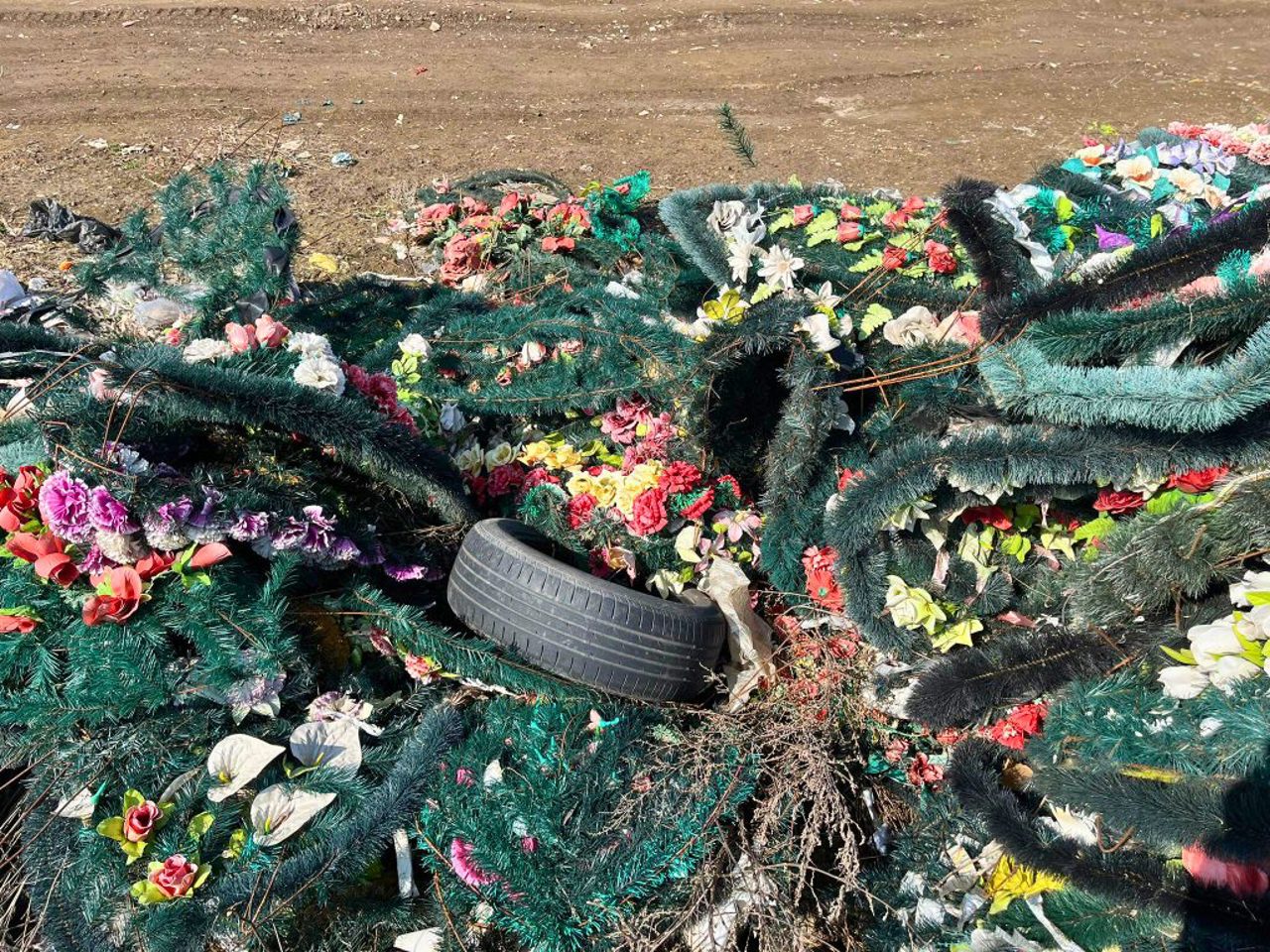
The Ministry of Environment is developing a series of measures to reduce plastic waste. Gheorghe Hajder, the Minister of Environment, announced during the “Public Space” program on Radio Moldova that there could be a ban on artificial flower wreaths and disposable bags. After the Easter period, the minister observed a slight decline in the number of plastic wreaths compared to previous years; however, this remains a concern.
Gheorghe Hajder stated, "We have set ourselves the goal of developing amendments to Law 209, the waste management law, by November. Following public consultations, we will determine the extent and manner of our intervention—whether we will gradually limit certain practices or seek alternative solutions. We understand that many small businesses operate in this field, and we want to help them adapt to new realities. One thing is certain: we must limit the use of certain materials, with the ultimate goal of nearly banning them."
The minister explained that plastic bags have a very short lifespan but a long-term negative impact on the environment, as they degrade extremely slowly, if at all.
"There will be several categories of waste that will be restricted or banned. This includes plastic packaging of a certain thickness, which will be completely banned; plastic cotton buds; and various containers for which alternatives exist. We will introduce a broader set of actions targeting all types of plastic items that negatively affect our lives and are difficult, if not impossible, to recycle", Hajder added.
During the Easter period, cemeteries in the Republic of Moldova are annually covered with wreaths made of artificial flowers, which quickly become waste and are challenging to manage. According to the Municipal Enterprise "Funeral Services Complex", over 25,000 such wreaths are used each year in Chisinau alone. Experts note that these wreaths are neither recyclable nor biodegradable because they are composed of mixed materials, including plastic, wire, and textiles, making recycling nearly impossible. Statistical data show that imports of artificial flowers have significantly increased, exceeding 180 tons annually.